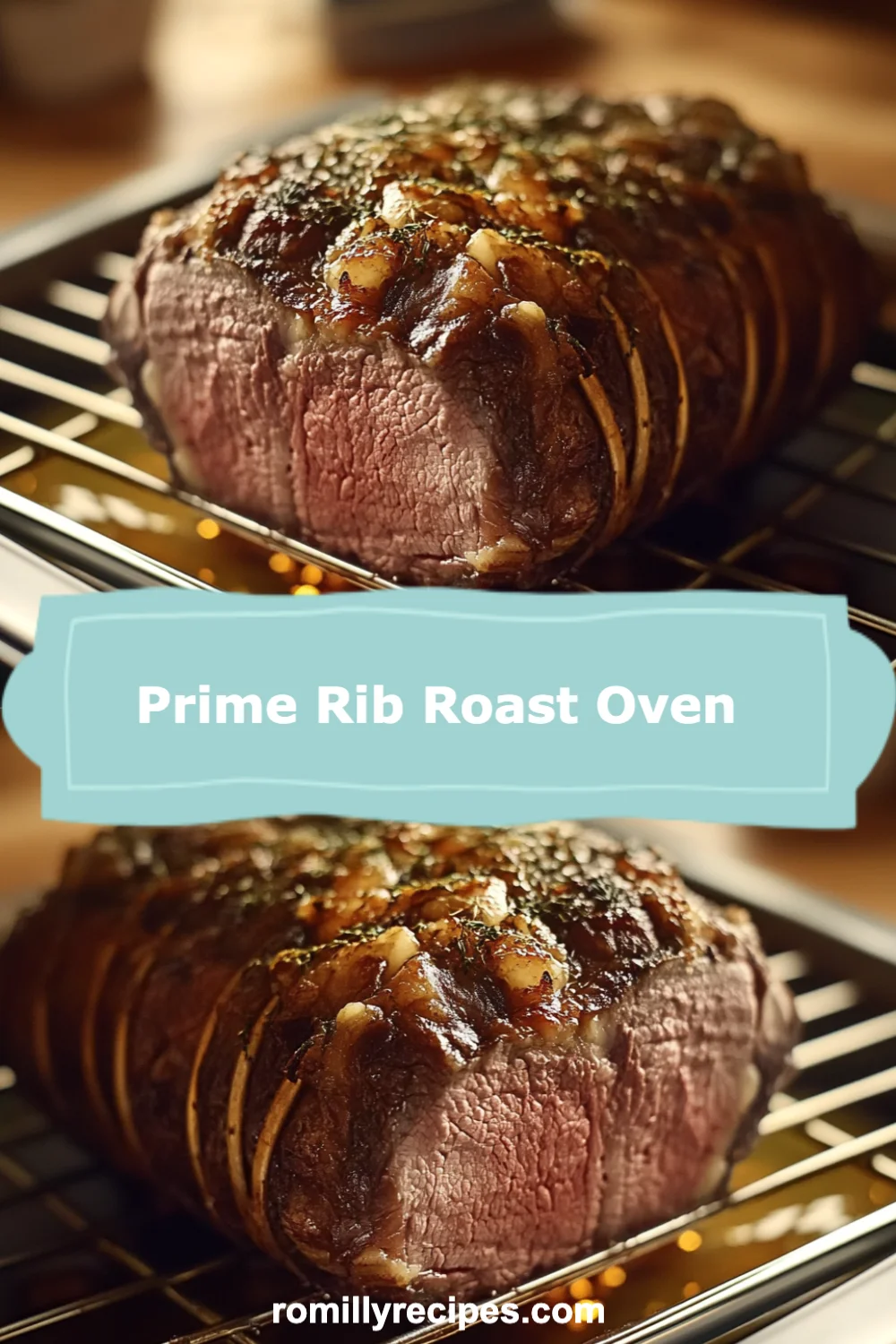
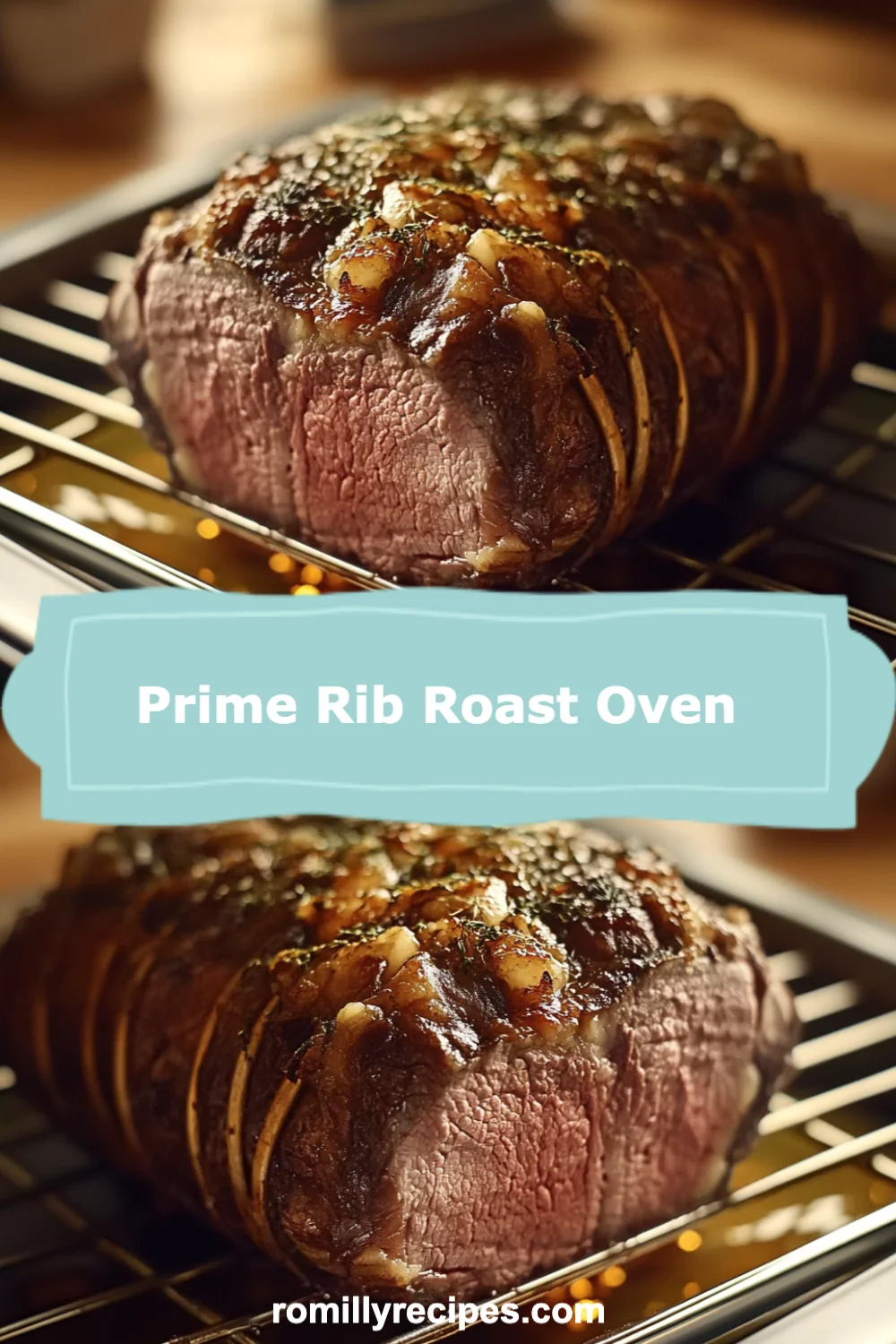
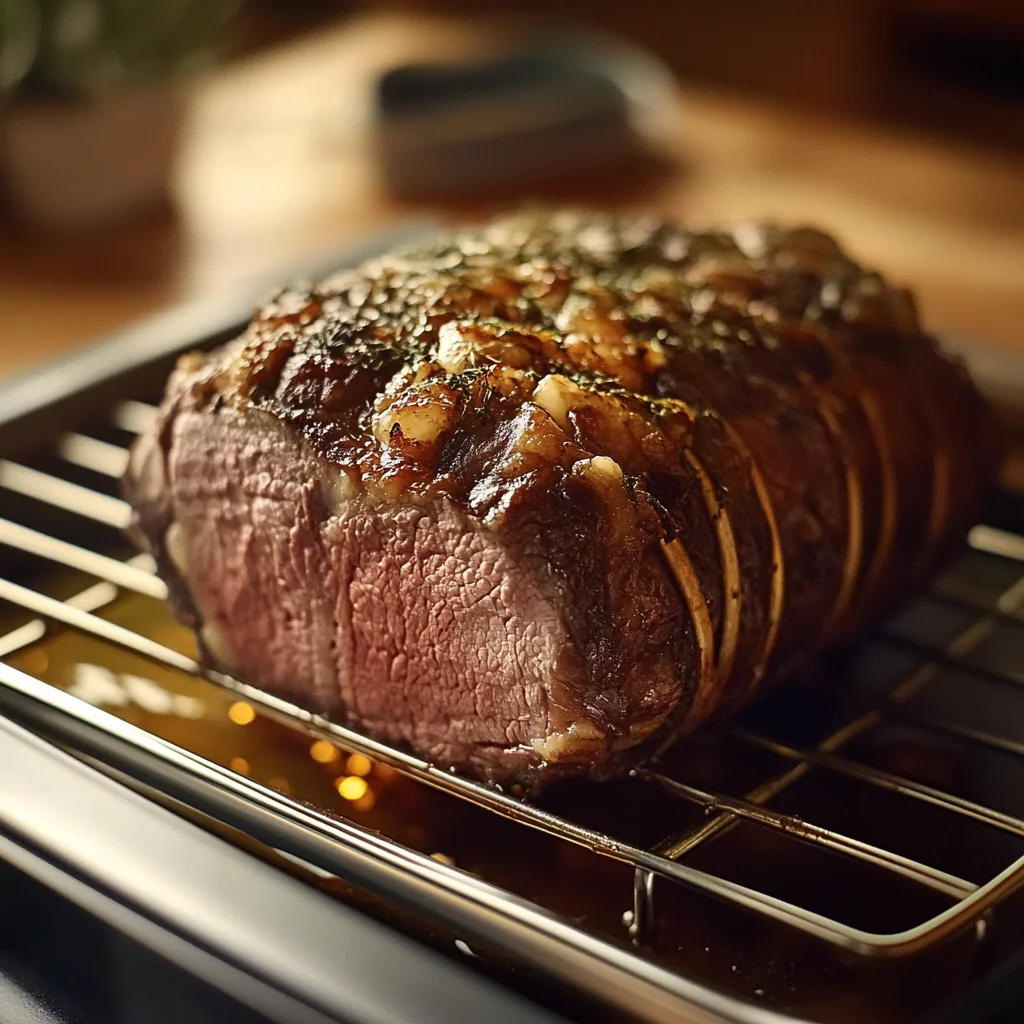
Welcome to the ultimate culinary experience with our Prime Rib Roast Oven recipe! This classic dish is a showstopper for any gathering, bringing warmth and flavor to your dining table. Whether it’s a holiday feast or a special family dinner, a perfectly cooked prime rib roast is bound to impress your guests and create unforgettable memories. With a succulent exterior, juicy meat, and rich flavors, this recipe is the key to elevating your cooking game. In this article, we’ll guide you through every step of the process, from selecting the perfect cut of beef to serving it with a delicious au jus. Get ready to become the star of your kitchen!
Why You’ll Love This Recipe
There are countless reasons to fall in love with this Prime Rib Roast Oven recipe. To begin with, it’s not just a meal; it’s an experience. The aroma that fills your home while the roast cooks is simply irresistible. Here are a few more reasons to adore this dish:
- Flavor Explosion: The combination of kosher salt, black pepper, garlic, rosemary, and thyme creates a savory crust that seals in the juices, resulting in tender, flavorful meat.
- Versatility: This recipe can be tailored to your taste. Whether you prefer a classic preparation or want to experiment with different herbs and spices, the options are endless.
- Impressive Presentation: Serving a beautifully roasted prime rib makes a statement. It’s a centerpiece that will have everyone talking long after the meal is over.
- Family Bonding: Cooking a prime rib roast can be a family affair. Get everyone involved in the preparations, from seasoning to carving, and enjoy quality time together.
Additionally, this prime rib roast recipe is easy to follow, making it accessible even for novice cooks. With just a few simple steps, you can create a dish that rivals any high-end restaurant. Plus, the leftovers (if there are any!) can be used for delicious sandwiches or beef stroganoff, making it a worthy investment of your time and effort.
Why You Should Try This Recipe
Trying out the Prime Rib Roast Oven recipe is an opportunity to impress your family and friends with your culinary skills. Here’s why you should add this dish to your cooking repertoire:
- Perfect for Any Occasion: Whether it’s a holiday, anniversary, or any special occasion, a prime rib roast is a timeless classic that never goes out of style.
- Rich in Nutrients: Prime rib is not just delicious; it is also packed with protein and essential vitamins and minerals. When prepared with fresh herbs and spices, it becomes a wholesome meal that your body will appreciate.
- Cooking Techniques: This recipe offers a chance to hone your cooking skills. You’ll learn the art of seasoning, roasting, and resting meat, techniques that are essential for any aspiring chef.
- Invite Friends Over: Cooking a prime rib roast can be a great excuse to gather friends and family for a memorable dinner. It sparks joy and conversation, making your home the place to be.
Ingredients and Utensils Needed
To create a mouthwatering prime rib roast, you will need the following ingredients:
Ingredients
- 1 (5-7 pound) prime rib roast, bone-in
- 2 tablespoons kosher salt
- 2 tablespoons black pepper
- 2 tablespoons garlic powder
- 2 tablespoons fresh rosemary, chopped (or 2 teaspoons dried)
- 2 tablespoons fresh thyme, chopped (or 2 teaspoons dried)
- 1 tablespoon olive oil
- Optional: vegetable or beef broth for au jus
Each ingredient plays a pivotal role in enhancing the flavor of the roast. The herbs add freshness, while the kosher salt and black pepper create a beautiful crust. The optional broth can elevate your au jus, providing a rich accompaniment to the meat.
Utensils
Having the right tools on hand will make the cooking process smoother and more enjoyable:
- Roasting pan with a rack
- Meat thermometer
- Sharp carving knife
- Cutting board
- Mixing bowl
- Aluminum foil
- Measuring spoons
These utensils will ensure that your Prime Rib Roast Oven experience is successful. The roasting pan with a rack allows for even cooking, while the meat thermometer helps you achieve your desired doneness. A sharp carving knife is essential for beautifully slicing the roast.
Detailed Recipe Steps
Now that you have your ingredients and tools ready, let’s dive into the step-by-step process of preparing your prime rib roast:
Step 1: Preheat Your Oven
Start by preheating your oven to 450°F (232°C). This high temperature is essential for creating that initial crust on the roast.
Step 2: Prepare the Seasoning Paste
In a small mixing bowl, combine the following:
- 2 tablespoons kosher salt
- 2 tablespoons black pepper
- 2 tablespoons garlic powder
- 2 tablespoons fresh rosemary (or 2 teaspoons dried)
- 2 tablespoons fresh thyme (or 2 teaspoons dried)
- 1 tablespoon olive oil
Mix these ingredients until they form a paste. This seasoning will create a flavorful crust on the roast.
Step 3: Season the Roast
Rub the seasoning paste all over the prime rib roast, ensuring it is evenly coated. This is where you can really get your hands in there! Make sure to cover every inch of the roast for maximum flavor.
Step 4: Place the Roast in a Roasting Pan
Place the roast, bone side down, on a rack in a roasting pan. This allows the heat to circulate around the meat, ensuring even cooking.
Step 5: Roast at High Temperature
Roast the prime rib in the preheated oven for 20 minutes. This initial high temperature will help to form a crust on the outside of the meat.
Step 6: Reduce the Temperature
After 20 minutes, reduce the oven temperature to 325°F (163°C). Continue to roast the prime rib until the internal temperature reaches your desired doneness:
- 125°F for medium-rare
- 135°F for medium
Keep an eye on the temperature using a meat thermometer for the best results.
Step 7: Rest the Roast
Once the roast reaches your desired temperature, remove it from the oven. Tent it loosely with aluminum foil and let it rest for at least 20-30 minutes before carving. This resting period allows the juices to redistribute throughout the meat.
Step 8: Serve with Au Jus
If desired, serve the roast with au jus made from the drippings. To do this, you can deglaze the roasting pan with vegetable or beef broth, scraping up any browned bits. Heat this mixture on the stovetop and serve alongside your prime rib.
By following these steps, you’ll ensure a beautifully roasted prime rib that’s tender, juicy, and bursting with flavor. Remember, the key to a great roast is patience and attention to detail!
Tips and Variations
Don’t be afraid to get creative with your prime rib roast! Here are some tips and variations to enhance your cooking experience:
- Different Cuts: If prime rib isn’t available, consider using a ribeye roast or sirloin. Each cut has its unique flavor profile and tenderness.
- Spice it Up: Experiment with different spices and herbs. Try adding mustard powder, paprika, or even a splash of red wine to the seasoning mix for an extra kick.
- Cooking Method: For a smoky flavor, consider using a smoker instead of a conventional oven. This can add a delightful twist to your prime rib roast.
- Avoid Common Mistakes: Ensure your roast is at room temperature before cooking for even cooking. Also, avoid slicing the roast too soon after cooking; this can cause the juices to run out.
By incorporating these tips and variations, you can personalize your prime rib roast to suit your taste and impress your guests even more!
Nutritional Values and Benefits
A prime rib roast is not only delicious but also packed with nutritional benefits. Here’s a breakdown of the nutritional values per serving (based on a 3 oz portion of prime rib):
- Calories: Approximately 250-300
- Protein: 25-30 grams
- Fat: 15-20 grams
- Carbohydrates: 0 grams
This dish is high in protein, making it a great option for those looking to build muscle or maintain a healthy diet. The healthy fats found in prime rib are essential for overall health, providing energy and supporting the body’s functions.
Moreover, the herbs used in this recipe, such as rosemary and thyme, are rich in antioxidants and have anti-inflammatory properties. They not only enhance the flavor of your dish but also contribute to your overall well-being.
Frequently Asked Questions
Frequently Asked Questions
How do I choose the right cut of prime rib?
Look for a roast that has a good amount of marbling and is well-trimmed. A bone-in cut adds flavor and moisture, making it a preferred choice for roasting.
What temperature should a prime rib roast be cooked to?
For medium-rare, aim for an internal temperature of 125°F and for medium, 135°F. Use a meat thermometer for accuracy.
Can I cook a prime rib roast in advance?
Yes, you can cook it a day in advance. Just make sure to let it rest and refrigerate it properly. Reheat gently before serving.
What should I serve with prime rib?
Popular sides include mashed potatoes, roasted vegetables, and a fresh salad. Don’t forget the au jus for dipping!
How do I store leftovers?
Wrap leftovers tightly in foil or store in an airtight container. They can be refrigerated for up to 3-4 days and can also be frozen for longer storage.
Conclusion
The Prime Rib Roast Oven recipe is a delightful addition to any home cook’s repertoire. With its rich flavors, impressive presentation, and versatility, it’s a dish that will leave your guests in awe. Remember to follow the steps carefully, and don’t shy away from making it your own with various seasonings and side dishes. For more delicious recipes, check out Dill Pickle Bacon Pasta Salad or Creamy Chicken Alfredo Pasta for treats you will love! We hope you enjoy making this prime rib roast as much as we do. Happy cooking!
For more inspiration, be sure to visit our Pinterest page for more recipe ideas!
Prime Rib Roast Oven
Ingredients
Equipment
Method
- Step 1: Preheat your oven to 450°F (232°C).
- Step 2: In a small mixing bowl, combine kosher salt, black pepper, garlic powder, rosemary, thyme, and olive oil to form a paste.
- Step 3: Rub the seasoning paste all over the prime rib roast.
- Step 4: Place the roast, bone side down, on a rack in a roasting pan.
- Step 5: Roast the prime rib in the preheated oven for 20 minutes.
- Step 6: Reduce the oven temperature to 325°F (163°C) and continue to roast until the internal temperature reaches your desired doneness.
- Step 7: Once the roast reaches your desired temperature, remove it from the oven and let it rest for at least 20-30 minutes before carving.
- Step 8: Serve with au jus made from the drippings if desired.
Notes